Ok kids, g-kids, and g-g-kids, this one is about a man whose name you might actually have heard, Tim Scully. If you have, you know the headline. He learned to make LSD from Owsley Stanley, and with Nick Sand he made the Orange Sunshine that the Brotherhood of Eternal Love carried all over the world. There are books, court records and a whole documentary, The Sunshine Makers, about that part.
I'm not going to rehash any of it.
Everybody who has an Internet connection and a little curiosity can find out what Tim Scully did. What I wanted to know is who he is. I wanted to get to the man.
If you read Melissa's page, you already know how I came to Tim. His email address was readily available, so I wrote to him trying to reach her, and I hammered him about who came up with chromatography for purifying the crystal. He was honest with me. He wasn't there when they first made it, so he didn't know, and he said so.
Then I went down the Rabbit Hole on Tim himself.
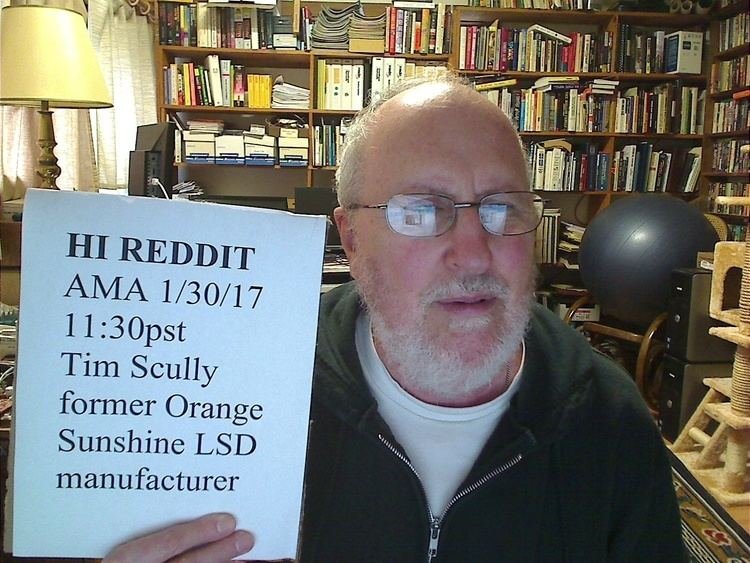
This fall I had Claude gather everything Tim has said and written in public that I could get my hands on: podcast interviews, a Reddit AMA, written interviews, a paper he presented in 2013, his email correspondence with a journal, and the subtitles of The Sunshine Makers. Every word of his, nobody else's, arranged into one long essay. Then I sent that essay to Tim. He went through it himself, struck out what he didn't want, and added things from his own published writing and from material that has never been published.
Imagine that. The man edited his own life story, line by line.
Read it end to end and you don't get the outlaw chemist of legend. What you get is a shy, bookish, painfully honest engineer who had a profound spiritual experience, believed with his whole heart that it could save the world, bet his freedom on it... and then had the rarer kind of courage, the kind it takes to admit, slowly and publicly, that he had been wrong about what it would do.
That's not a drug story. That's a story about faith, and what happens to a person when the faith gets tested.
Same as with Melissa, I used AI to help me tell it in his own fucking words. What you're going to read next was assembled by Anthropic's Claude AI from Tim's interviews and writings, the same material Tim reviewed and corrected himself. Tim checked the collection of his own words. He has not reviewed what follows: the arrangement, the connecting narration and the conclusions drawn are Claude's and mine, not his. Every word inside quotation marks is his, with one exception I asked for. His partner, Alice Einhorn, gets her say too, in her own words from The Sunshine Makers, and she is named every time she speaks.
Here is Tim, in his own words:
* * *
THE IDEALIST
A portrait of Tim Scully, drawn from his own words, and Alice's.
He filed his taxes first. That is the detail that tells you who Tim Scully is. On the day that changed his life, before he took the dose that would send him into the underground for five years and into federal prison after that, he took care of his obligations. "I first took acid on April 15th, 1965 right after filing my taxes." Responsible to the last minute, and then:
And it was like getting struck by lightning. It totally redirected my life. What I experienced, apart from the usual visual effects and so on, was a very intense sense of connectedness and oneness with everyone and everything.
Everything he did afterward, the good and the regrettable, came out of that one evening in front of his own fireplace with his friend Don Douglas. To understand the man you have to understand why that evening hit him so hard, and to understand that you have to go back further.
THE CONSCIENCE CAME FIRST
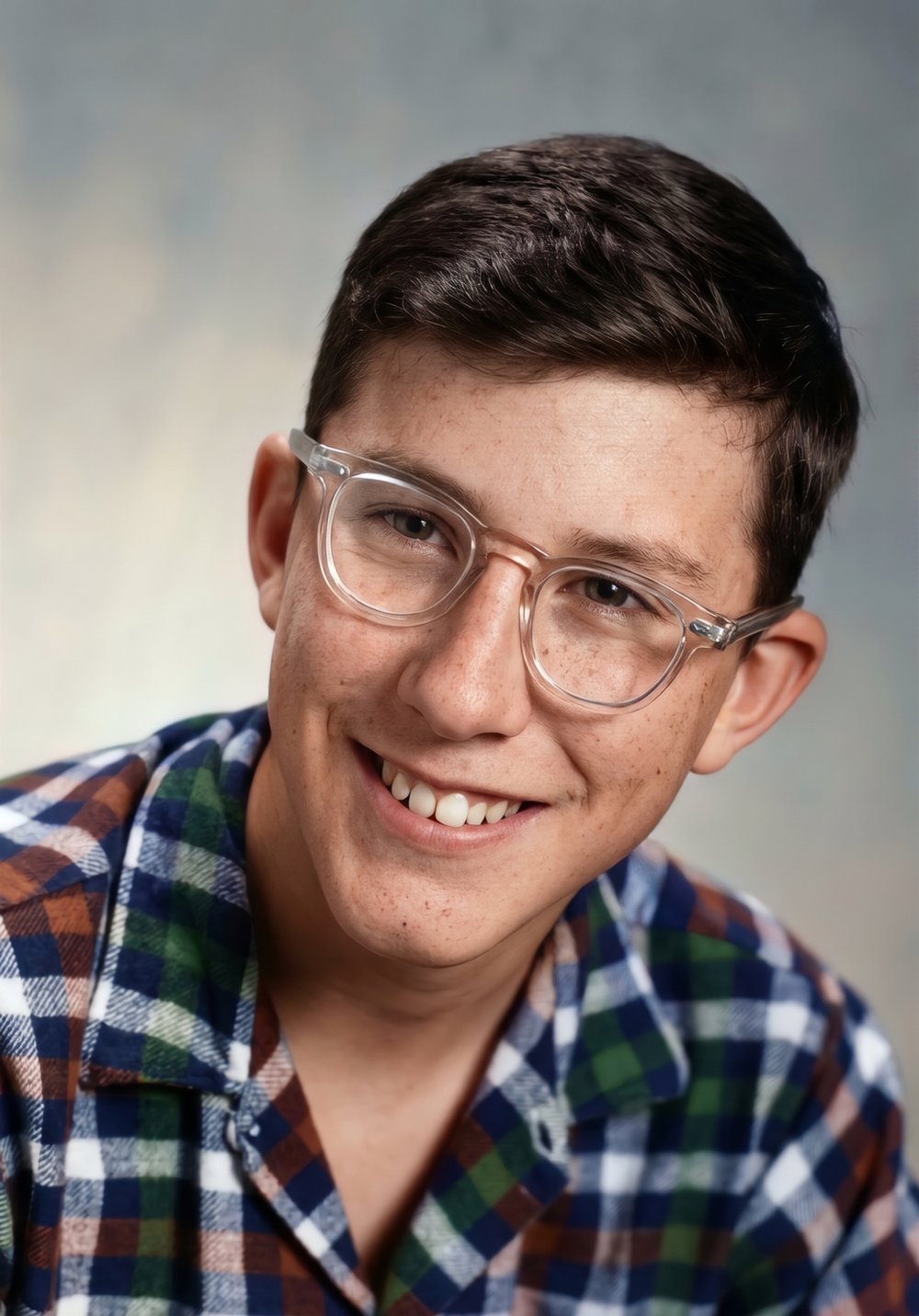
He was not raised on religion. His own summary is dry and exact: his parents "were English Protestant and Irish Catholic, and that basically averaged out to nothing." But he was raised with a moral question, and his mother handed it to him early. It is the closest thing to a creed in his whole life, and he never put it down:
My mother used to say, imagine you're at the end of your life looking back. Think about how you'll feel about yourself if you do whatever it is you're about to do, and choose things that will make you feel good, that make you feel that you made a positive contribution.
"I had always been taught from my earliest age that what I should do in life is to somehow try to make life better for everyone." That was the seed. Everything that grew later, the idealism, the risk-taking, the guilt, the refusal to betray his friends, grew from it.
His father gave him something else: a script and a cautionary example. The father was a bright man who had dropped out of chemical engineering and spent his life in jobs beneath his mind, and Tim describes him with real tenderness: "He spent a lot of time reading, but he never really got to do the things he wanted to do intellectually." His plan for his two sons was to get them the career he never had. "My father had encouraged both of us to be a little bit odd," and the script was to skip dating until they had their PhDs and stay out of anything that might cost them a security clearance.
Tim's older brother followed that script to MIT and a long career designing helicopters for the government. Tim went the other way, and for years that was a wall between them. "His thing was making weapons, and mine was being against the war." What is remarkable is where he ended up on that, once the arrogance of youth wore off:
In hindsight, I respect what he's done. He's a good guy. And he had good intentions. He was trying to save the world his way.
Two brothers, both trying to save the world, by opposite roads. When Tim went to prison, the brother with the very high security clearance came to visit him anyway. "We ended up making peace with each other."
A SHY KID WITH A PARTICLE ACCELERATOR
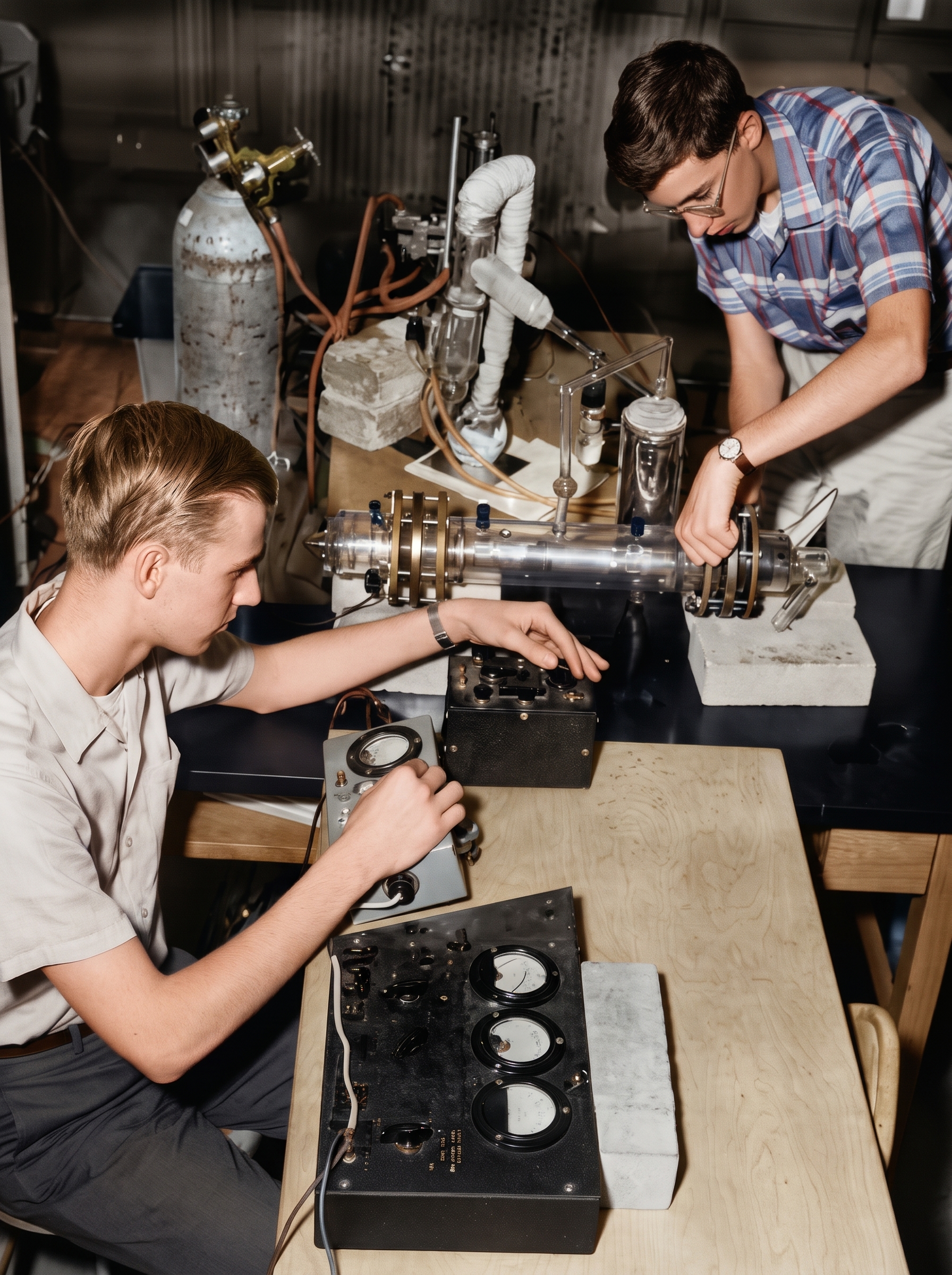
The young Tim Scully was the kind of kid who builds a little computer for an intermediate school science fair and then decides his next project should be turning mercury into gold. Not a lump of it, a few million atoms, detectable by their gamma rays. To get there he needed neutrons, and to get neutrons he built a particle accelerator, powered by a 1,000-watt Tesla coil, in an empty classroom at his high school.
The school was fine with it until the thing actually worked. When parents started calling the principal, he was "encouraged to move on to the university," and he left high school at the end of his junior year.
He was never at home with kids his own age. He was at home with the work. "I didn't get along with the other kids in high school very well, but at the Rad Lab it was great. I was just a smart kid at the time." He slept in his grandparents' attic in Berkeley, rode his bicycle to the Lawrence Radiation Lab, and taught himself electronics the way he would later teach himself everything else: "I didn't take any courses, but read a lot of books and dinged around a lot." He named his first little company Attika Development, after his grandfather's attic, "And we thought it sounded a little Greek."
Underneath the cleverness was a deeply private young man, and late in life he found a word for it. After reading Steve Silberman's NeuroTribes, he wrote:
His descriptions of high functioning Asperger’s people resonated very strongly with me and I’ve concluded that I’m probably on the Asperger’s spectrum.
He wondered, too, whether that was part of why the experience of oneness overwhelmed him. A man who had always felt a little apart from most people suddenly felt connected to everyone and everything. For someone like that, it wouldn't feel like a drug. It would feel like coming home.
ONENESS BEFORE THE ACID
Here is the part of Tim's story that most people never hear, and it's the key to all of it. The idea of oneness came to him before the LSD did, and it came through physics.
As an undergraduate at Berkeley he wrote an English essay on a speculative reading of the Schrödinger wave equation. The mathematics describes a particle with an infinite set of waves that cancel everywhere except where the particle is. Most physicists treat those waves as a convenience for solving a problem. Tim wondered if they were real:
If that were true it would mean that every particle in the universe is immersed in a sea of waves associated with every other particle of the universe and that implies a deep kind of connectedness.
"I wrote the essay before I ever took LSD." So when the acid came, it didn't hand him a new idea. It took an idea he already held in his head and put it in his body. "When I eventually took LSD and experienced an intense feeling of oneness with everything in the universe I was reminded of that conjecture."
And from there, for a kind young man in 1965, it was a short step to a very large hope:
And it felt to me as though if everyone shared this experience, it would be much harder for people to be mean with each other.
The Vietnam War was roaring along, the environment was being wrecked, inequality was everywhere. "I believed very easily that if everybody took LSD, a lot of that would go away: People would feel open and connected with each other, and feel compassion for each other and for the planet." Coming down from that first trip, he and Don said to each other that they should share it with everyone. "And I said, well, we could make a lot of this stuff and give it away."
That is how a revelation turns into a mission. It happens the same way in every faith there has ever been.
THE GOSPEL OF GIVING IT AWAY
What makes the young Tim Scully so easy to love, even when you can see where he's headed, is how pure his motives were. He didn't want money. "I wasn't interested in personally making money from LSD. I thought that what we were doing was really important, trying to change the consciousness of the world in a positive way."
He wanted to give it away because of where he'd had to go to find it. The man who sold him his first dose would just as happily have sold him barbiturates, amphetamines and opiates, and Tim felt that "put a dark aura around the experience." He wanted the sacrament out of the hands of the hard-drug trade, and out of the reach of money, because he already suspected money would corrupt everyone it touched. His dream was a wealthy patron who would fund a couple hundred kilos to hand out free. One scheme he and his friends kicked around was buying a postcard insert in LIFE magazine and then announcing that every postcard carried a dose.
He had moral lines, too, and he held them even against his teacher. He believed acid should only go to people who chose it. "Don and I both really strongly felt that dosing people was effectively rape. Bear, on the other hand, continued to believe in dosing people for many years."
He was not a street radical by temperament. He didn't march. He admits he held back "at least partly being timid from my father's encouragement, and partly because I tend to be timid anyway." He thought of what he was doing as a tour of service. "I felt as though I sort of signed up for a tour in the Peace Corps or whatever, but I didn't feel like I was making a lifetime commitment." He and Don "used to joke that we had enlisted in an underground army," and in 1966, with federal agents already following them, they sat down and decided prison was a price worth paying. "We believed it was worth any risk to try to save the world."
Looking back on all that certainty, he summed it up in one sentence that is about as honest, and as funny, as anything anybody from that era ever said about themselves:
Of course, we were projecting what we thought LSD would do with people. It didn't come with a label on the bottle saying this is what it will do. I got my exercise by jumping to conclusions, thinking that the LSD experience carried with it a message, which was the message that Don and I got. That eventually turned out not to be completely true, but it took me quite a while to realize that.
BOTH FEET PLANTED FIRMLY IN MIDAIR
Owsley would not take on an apprentice he didn't trust, so Tim earned that trust by building sound gear for the Grateful Dead and traveling with them and Ken Kesey's Acid Tests through the first half of 1966. He called it "an extended job interview for the job I really wanted as his apprentice in the lab." For an introvert it was the deep end of the pool:
For me, traveling around with the Grateful Dead was a lot like running away to join the circus must have been in the nineteenth century. It was a real adventure and took me far outside my personal comfort zone.
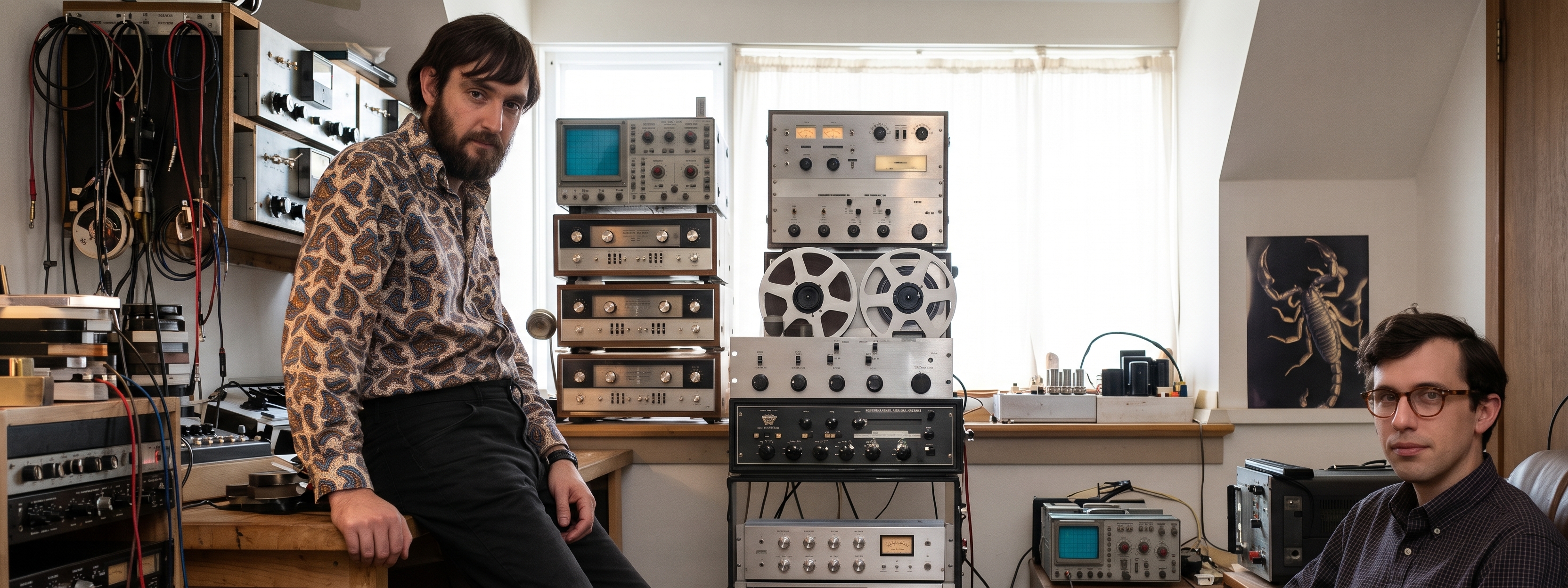
"Rock-and-roll dances were a big stretch outside my comfort zone. I was doing that to convince Bear that I was trustworthy, but it was not what I would choose to do." His own way with the sacrament was quiet: one to three friends, a fireplace, or Golden Gate Park at night. When Owsley handed out big doses at dances, Tim thought it was the wrong setting for anyone, and his description of how he argued with the man is pure Tim: "Bear and I violently disagreed, although he had all the power, so I disagreed quietly. Mostly."
The Acid Tests also gave him experiences he never fully explained away. He describes a group consciousness that seemed to form when the Dead played and everyone was high: "In its strongest form, we experienced a single consciousness which could use any of the group's bodies." He describes telepathy with his friend Jean Millay, who telephoned him the next morning and told him what his group had experienced the night before. The scientist in him wouldn't let him claim too much, and the mystic in him wouldn't let him deny what he'd felt. He holds both at once, and his way of saying so is one of the best lines in the whole collection:
I spent most of my working life as a scientist and engineer and I have a great deal of faith in the scientific method. So I have both feet planted firmly in midair.
That's the man in one sentence. A skeptic who has seen things. A believer who checks his work.
THE GLEAM
The hardest and most admirable thing Tim Scully ever did wasn't making acid, and it wasn't going to prison. It was changing his mind. It didn't happen in a flash, and he fought it every step. He describes exactly how a true believer protects his faith:
And I think that that contributed to a process of selective perception which made me relatively blind to things that contradicted my beliefs and made it much easier for me to see things that supported my beliefs. It's sort of like if you buy a Volkswagen, all of a sudden you see everybody who's driving Volkswagens and you hear all the good things about them.
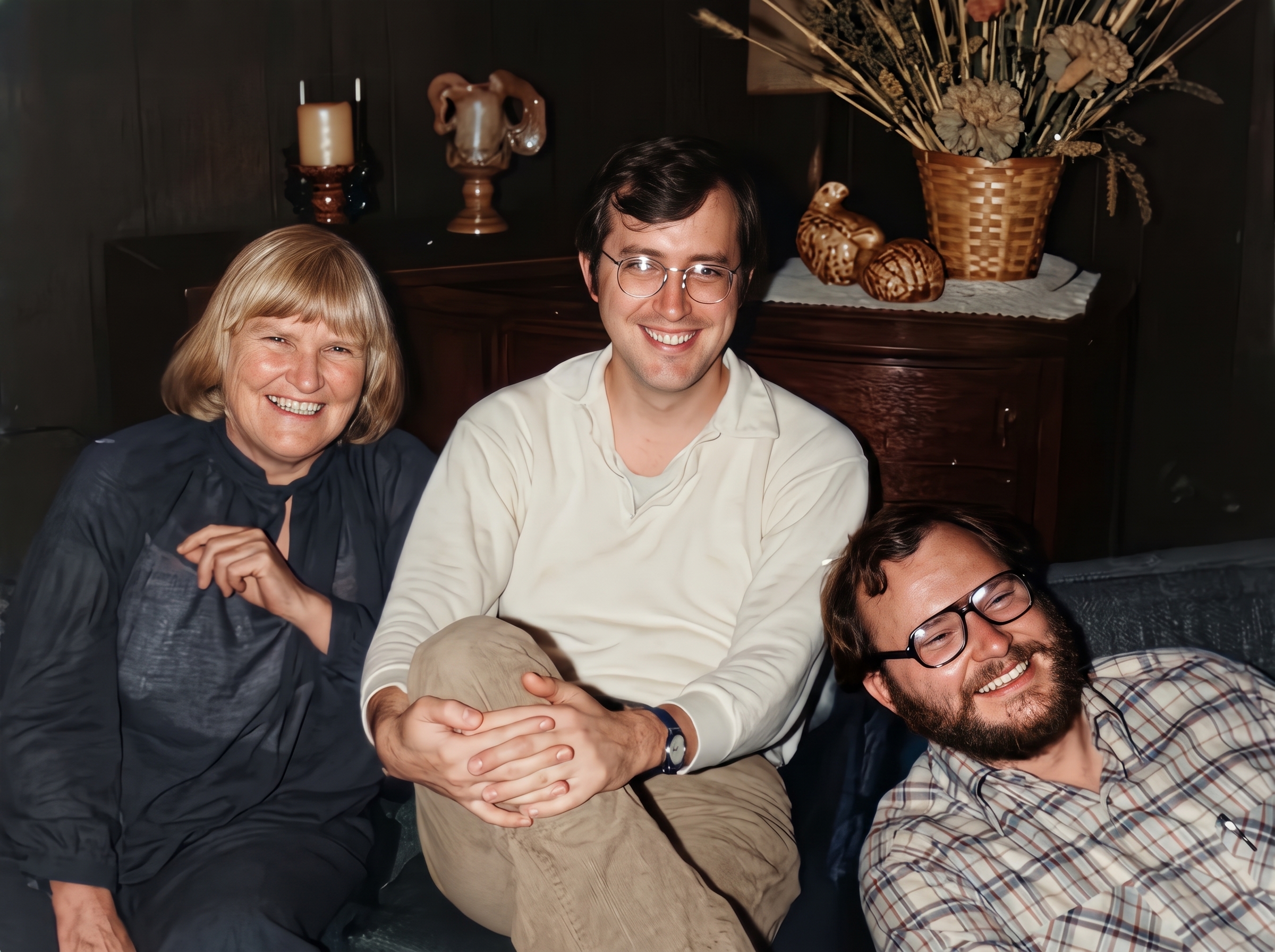
When he heard bad things about LSD, he told himself it was government propaganda, or that the person was an exception. But he kept walking the streets of the Haight, and he kept seeing. In 1966 and 1967 almost everyone he passed had "a smile on their lips and a gleam in their eye." By the end of the decade he was seeing quiet desperation, people in a bad place, and Charles Manson. "It became really clear that I had a pretty naive view of what scattering LSD to the four winds would do."
And then there was the plain, unglamorous lesson his own friends taught him:
And furthermore, it also slowly became clear from observing my friends who had taken a lot of acid and some of whom were still behaving like assholes, that taking LSD was not a cure for being an asshole. And at first I had thought that it was going to be this magical elixir that would transform people and change their behavior in a really big way.
"It became increasingly clear to me that people could have intense psychedelic experiences of oneness and still act just as badly when they came down." The vision had been real. The transformation hadn't followed.
The moment it finally made sense to him came in Zürich, a couple of years after he quit, while he was dodging grand jury subpoenas. He ran into some evangelical Christians "and belatedly realized that they had the same proselytizing zeal and the same gleam in their eyes that my friends and I had."
Think about what it costs a man to see that. The gleam he had trusted as a sign of something new and sacred, the shared look of people who had touched the oneness, turned out to be the same look true believers have always had. He followed it all the way down:
On reflection, I've come to realize that the peak experiences brought about by LSD are not so different from the peak experiences that people have known down through the ages from one religion or another or in some cases from one political belief or another. Once I realized that, it was no longer so surprising to me that experienced LSD users remained flawed in the same way as true believers in various religions and political movements have been down through history.
And so, against everything he had wanted to believe, he arrived at the idea at the center of everything he says now:
I slowly came to the conclusion, kind of reluctantly, very reluctantly, that the LSD experience doesn't really carry a message with it. It's more of an amplifier, and it's much more dependent on set and setting than I believed at first.
Even the feeling that started it all, that everyone on acid understood each other, he came to see differently: "Although when we took LSD we felt that we all understood each other and agreed on some deep level, I now think that feeling was sometimes an illusion." He still believes it can do a great deal of good. He just no longer believes it carries the good inside it.
CARRYING THE RING
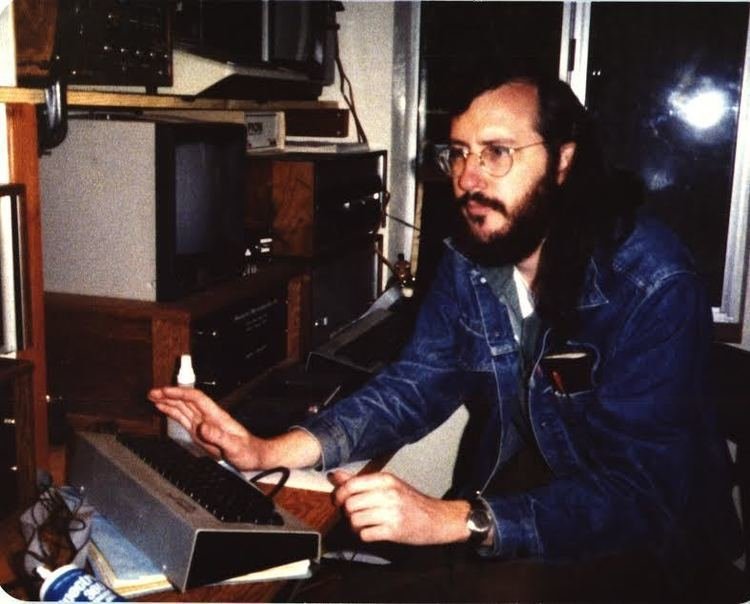
Tim read The Lord of the Rings in Los Angeles in 1966, while he was living with the Dead, and at the time he saw himself in it as part of a quest against the forces of evil. Years later the same book gave him the image for what he had actually learned:
That maybe making LSD was like carrying the Ring, and the Ring was pretty dangerous to carry, because it could easily corrupt you, and take you, take over and flip you to the bad side instead of being on the good side.
He watched it happen. Not to himself so much as to the people around him, makers and dealers who got hooked on the money and turned to hard narcotics when the acid ran out. And he was honest that he wasn't immune to the pull of it. It wasn't only idealism that kept him in the lab:
Making LSD is rather addictive because you get a lot of positive feedback in terms of status in the community (even if you have a low profile), willing women, and a sense that you're doing something vitally important.
He felt guilt early and kept it. When Owsley steered him into making STP, a harsher drug that gave a lot of people unpleasant experiences at a solstice party in Golden Gate Park, "that left me feeling really guilty about having participated in making STP." By 1970 he was facing a possible 56 years over his second Denver lab, and, for the first time, he couldn't shake the federal agents tailing him. Then a lab accident gave him a huge dose and a trip full of agents coming out of the trees. He handed the work off and walked away: "I'm sorry, I can't do this anymore."
Later, when he interviewed the grown children of people who had made acid, most of them resented it, the neglect and the drugs given to them as kids, and that stayed with him too. "If I knew then what I know now, I would have tried to rethink at least the distribution strategy and not be quite as cavalier about it." He doesn't hide from the worst of it, either:
I don't believe that I lack a conscience. I deeply regret the bad side effects of the work that I did, and I acknowledge that there were some bad side effects...
He has heard the argument some people take from the trip, that it's all cosmic play and somebody has to play the dark side for the game to go on. His answer is as plain as a vow: "I never felt that way and I never chose the dark side."
FACING THE MUSIC
A man's character shows at the worst moment of his life, and Tim's worst moment came when the big investigation closed in. His friend and patron Billy Hitchcock had testified for the government, and then Billy offered Tim $10,000 to hire a lawyer and do the same thing. "I was shocked, right down to the soles of my feet."
What decided it was the same question his mother had put to him when he was a boy:
I realized that if I did become a witness against Nick, that I would end up feeling really bad about myself for the rest of my life. The way I'd end up feeling best about myself would be if I faced the music and tried to fight the charges.
He took the stand and tried to explain why they had done it. He half convinced the judge he was an idealist, which only made it worse. "But when he sentenced me, he said, 'idealists are the most dangerous kind.'" Twenty years.
He doesn't pretend he was brave about it. "Right after being convicted I was put in a cell. I climbed up on the bunk and pulled the blanket over my head and cried for a while." He was headed for a place full of the tough guys he had never gotten along with in high school. And still: "I don't regret having spent the time in prison. I pretty much signed up for it at the beginning."
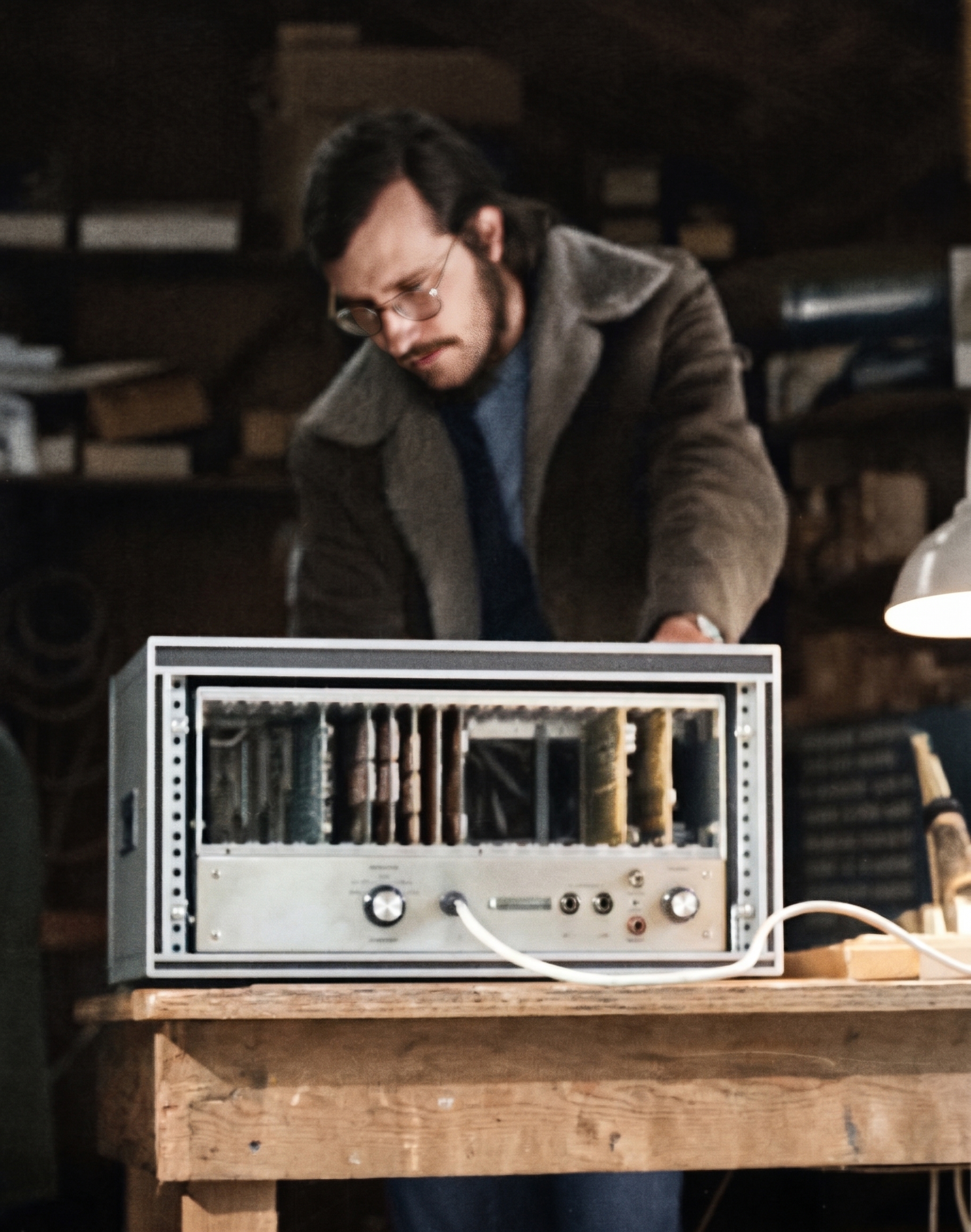
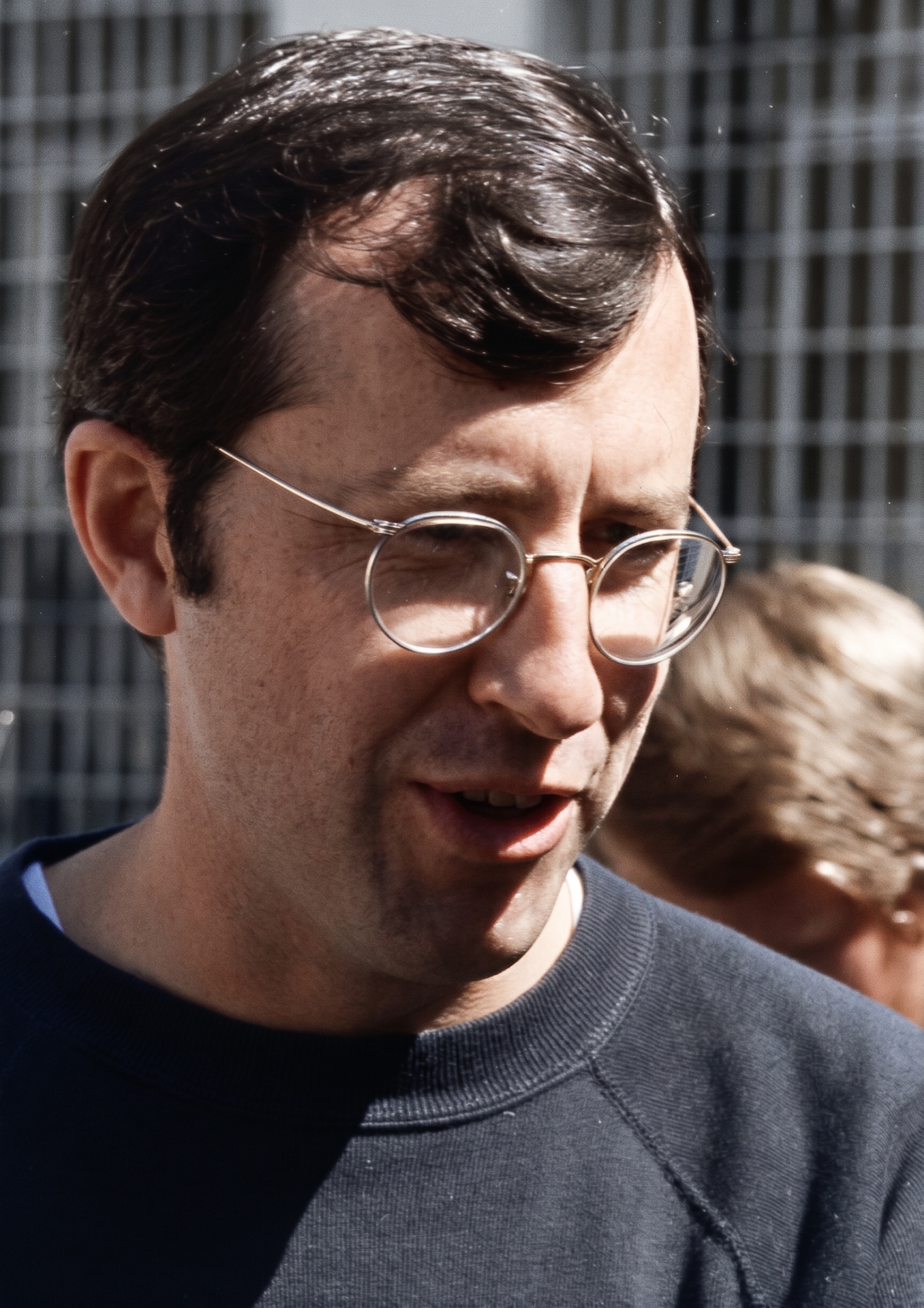
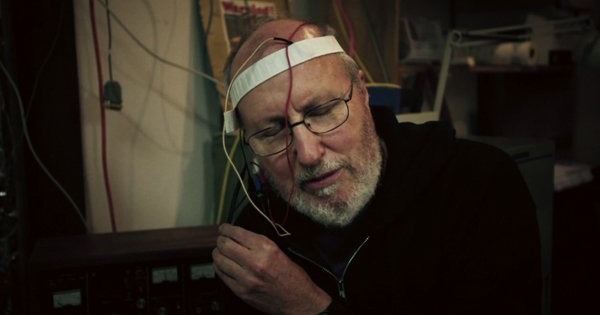
Then he did what he always did. He made himself useful. While he was out on appeal, his bail officer challenged him to help a young woman named Robin, who had cerebral palsy, couldn't speak, and could only communicate by stopping a clock hand on one letter a minute. Tim designed a computer system for her that offered the likeliest letters first and had ready-made phrases, and he finally got permission to build it inside the prison. He earned a PhD in psychology behind the walls. He helped set up Zen, yoga and Tai Chi groups and taught beginning inmates Tai Chi. The prison staff came to like him so much they asked for his early parole. His own verdict on those years is five words: "So I was able to make good use of the time."
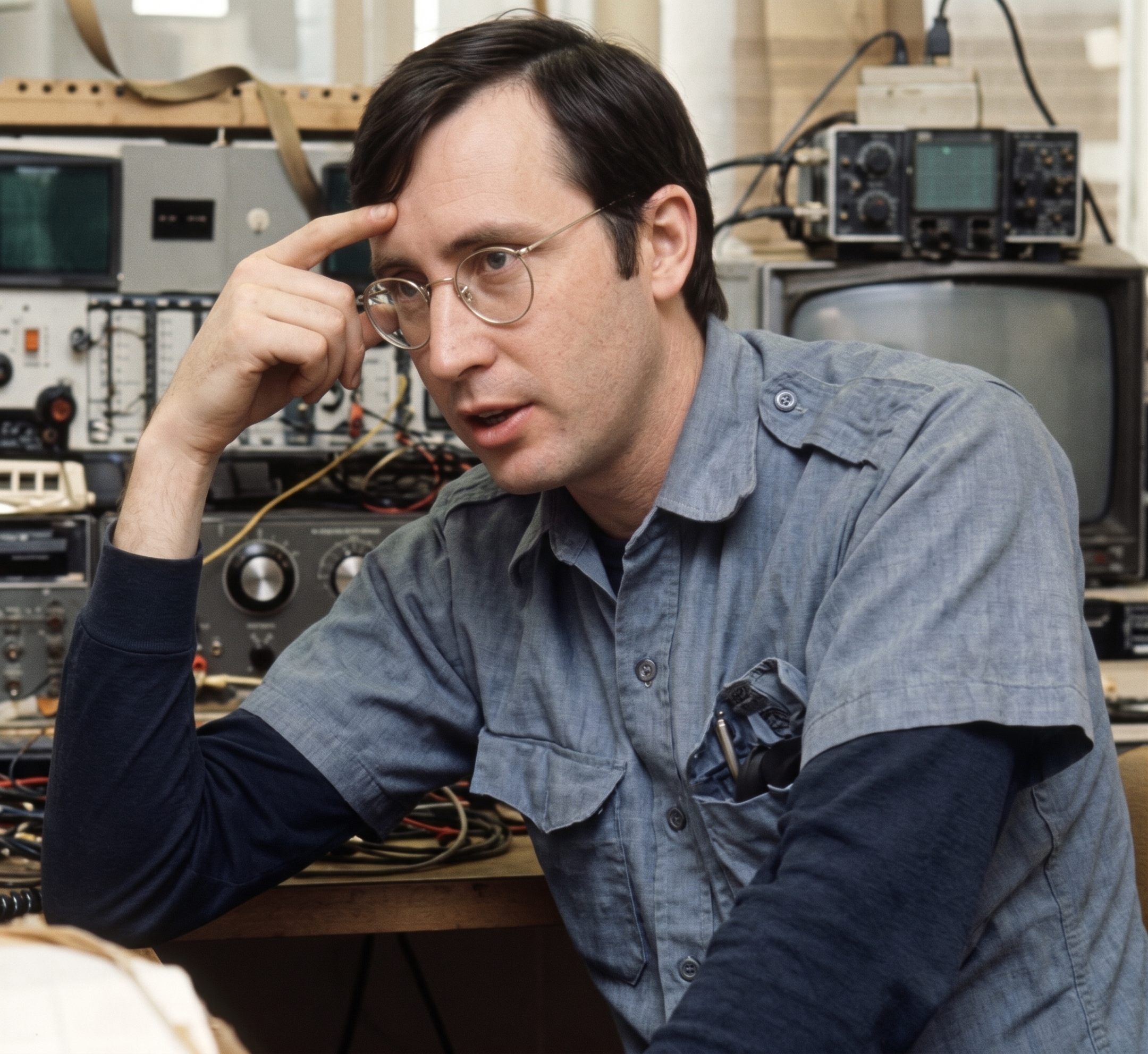
THE MESSAGE, KEPT
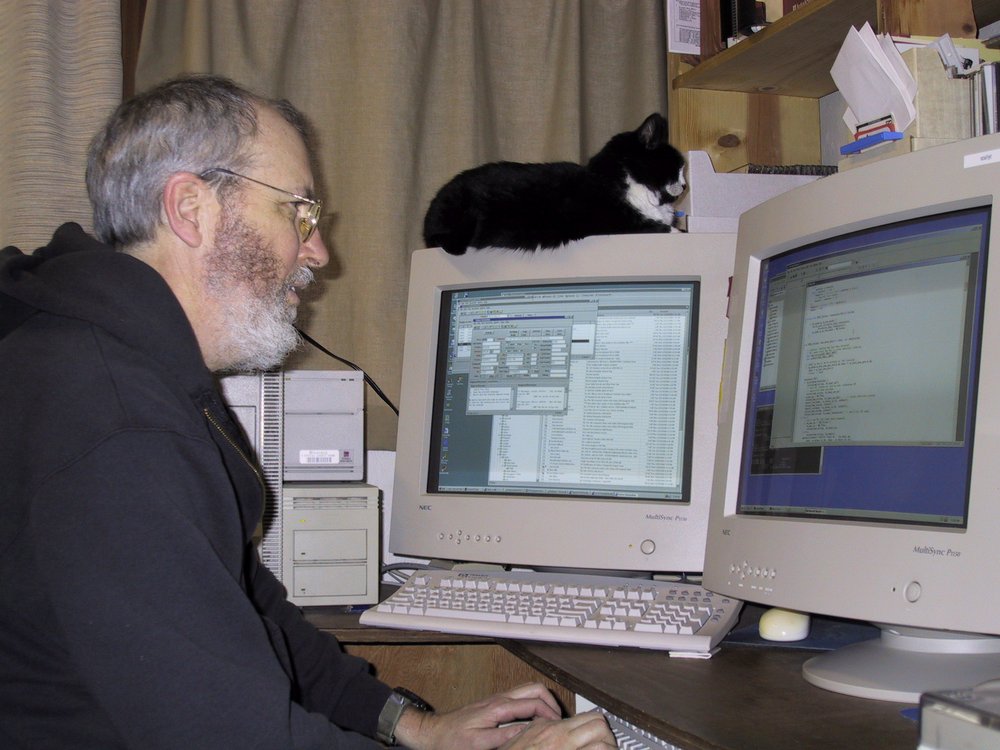
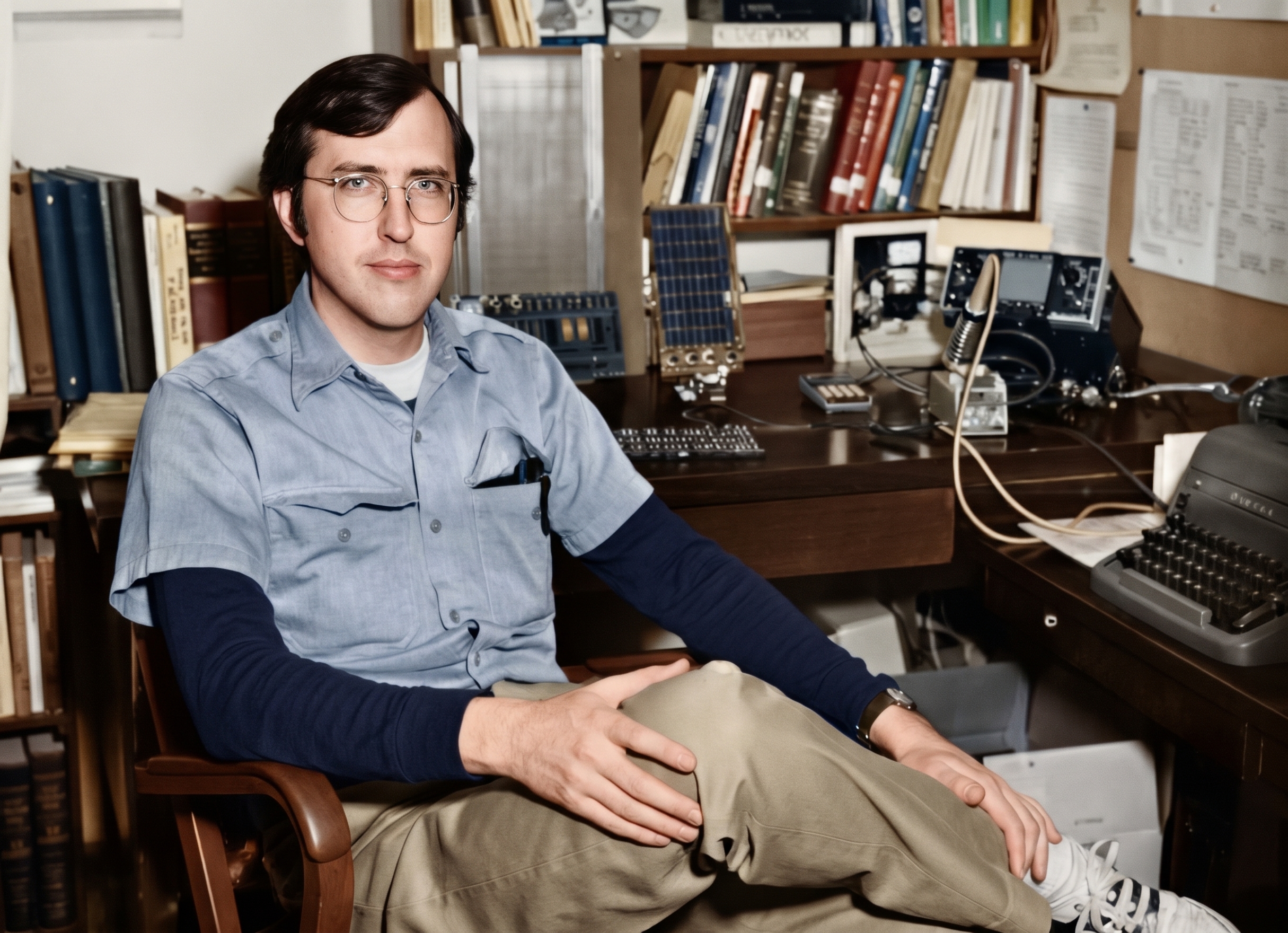
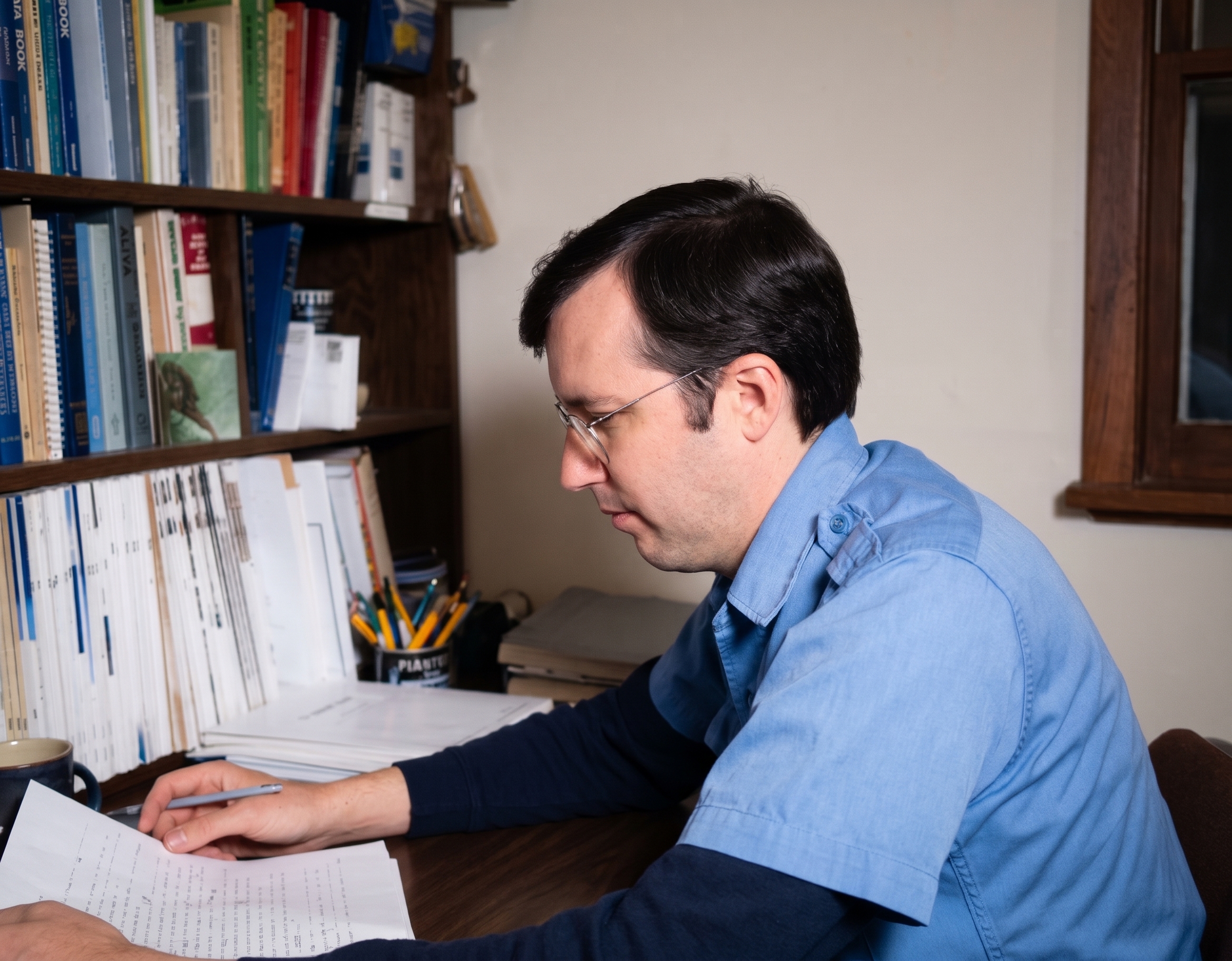
After prison, he put a long distance between himself and the drug scene and spent almost twenty years writing software at Autodesk. He hasn't taken acid since. But he never claimed the experience left nothing behind, and his way of putting it is one of the loveliest things he has ever said:
And I feel like I got the message and I hung up the phone; that doesn't mean I lost the message.
That is the voice of a man who had his revelation, kept what was true in it, and let the rest go. He remains a scientist with a mystic's memory, and that combination makes him impatient with the magical thinking a lot of heavy users drift into, the chemtrails and the conspiracies. His answer isn't dogma. It's balance:
Being able to think outside the box is very useful, but it's also extremely useful to be able to think inside the box using logic and science. Being stuck in either state is not a good thing. Mental flexibility should be a goal.
And the oneness, the thing that started all of it, never left him. It just moved from a mission to a consolation. When he talks about death, this is what he says:
My LSD experiences have left me with the firm conviction that on a deep level everything is interconnected. When I think about death and dying they are no longer so frightening because I imagine that I will simply return to being one with everything.
He has spent more than 25 years gathering and preserving the history of underground LSD manufacturing, many gigabytes of documents and oral history, and he is writing a memoir with careful scholarship and detailed endnotes, at his own pace and with no publisher's deadline. The working title says everything: "Trying to Save the World. We didn't succeed, but we were trying."
LSD pioneer Tim Scully, from The Press Democrat
ALICE
Every story like this one has someone in it who stayed behind the scenes. In Owsley's story it was Melissa. In Tim's it is Alice Einhorn.
In 1968 Alice was a public relations writer for Hadassah in New York City. She met Tim that year through Nick Sand, and the way it happened could only have happened then. Tim tells it in his own notes: "Probably early September 1968, Alice Einhorn was visited by Nick Sand who left what he said was ¼ of $1 million of cash at her apartment while he ran errands in the city."
Afterward Nick asked her privately what she thought of his new friend. This is Alice, in The Sunshine Makers:
I'd known Nick by then for 15 years. And he asked me afterwards, "well, what did you think about Tim?" And I said, "oh, I liked him. He's very, very odd. But I really liked him. He's really bright. But you're not going to work together, are you?"
Tim's notes add the reason she asked: "You are so very different."
Very, very odd. Really bright. Nobody has drawn Tim Scully in fewer words.
Then nothing, for two years. Tim again: "Then there was a gap of about 2 years and in late 1970 Alice and I got high together and became lovers." Alice remembers that night without a trace of embarrassment, the way you talk about someone you have loved a long time:
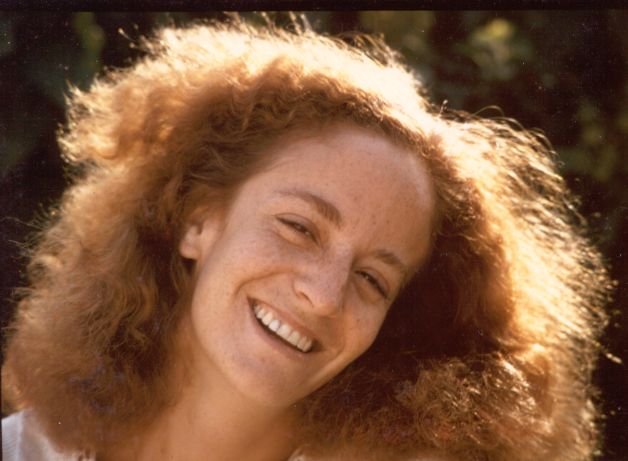
Tim also is very fond of women. Getting high with him was really quite wonderful. He laid out a deck of tarot cards before the LSD came on. And then I think we made love for most of the night.
And then life pulled them apart again. In Tim's words, "life pulled us apart for almost 20 years, then we reconnected in 1990." This is Alice, describing the man she found when they came back together:
Tim and I were lovers for a while in late '60s. And then we didn't see one another for years. But the more the years went by, the more mellow he became. He's like a cat. You slowly get to know him. A cat reveals their personality to you rather slowly. As we've gotten older, we've figured out, both of us, what we really want, which is to be partners and lovers and not to live under the same roof. And that's worked wonderfully well.
Right after her, in the film, Tim says what his ambition has come down to:
I scaled back my ambitions, to trying to just make my own life, and the lives of the people that I care about be as good as possible.
Alice is at the very center of the people he cares about. Her health shapes his days, and he has said so plainly, more than once. It is why the memoir has no deadline: "I have some medical issues that require me to keep stress low in my life and my partner Alice has medical issues that require me to be available to help her out in various ways." It is why he doesn't travel to talk about the old days: "My partner Alice has medical issues that make travel difficult for her and in any case I tend to be a homebody."
The young man who once guesstimated that three quarters of a billion people might be willing to take acid now arranges his life around one person. That isn't a step down. That is what the oneness looks like when it finally comes home.
SAVE THE WORLD, BUT STAY HUMBLE
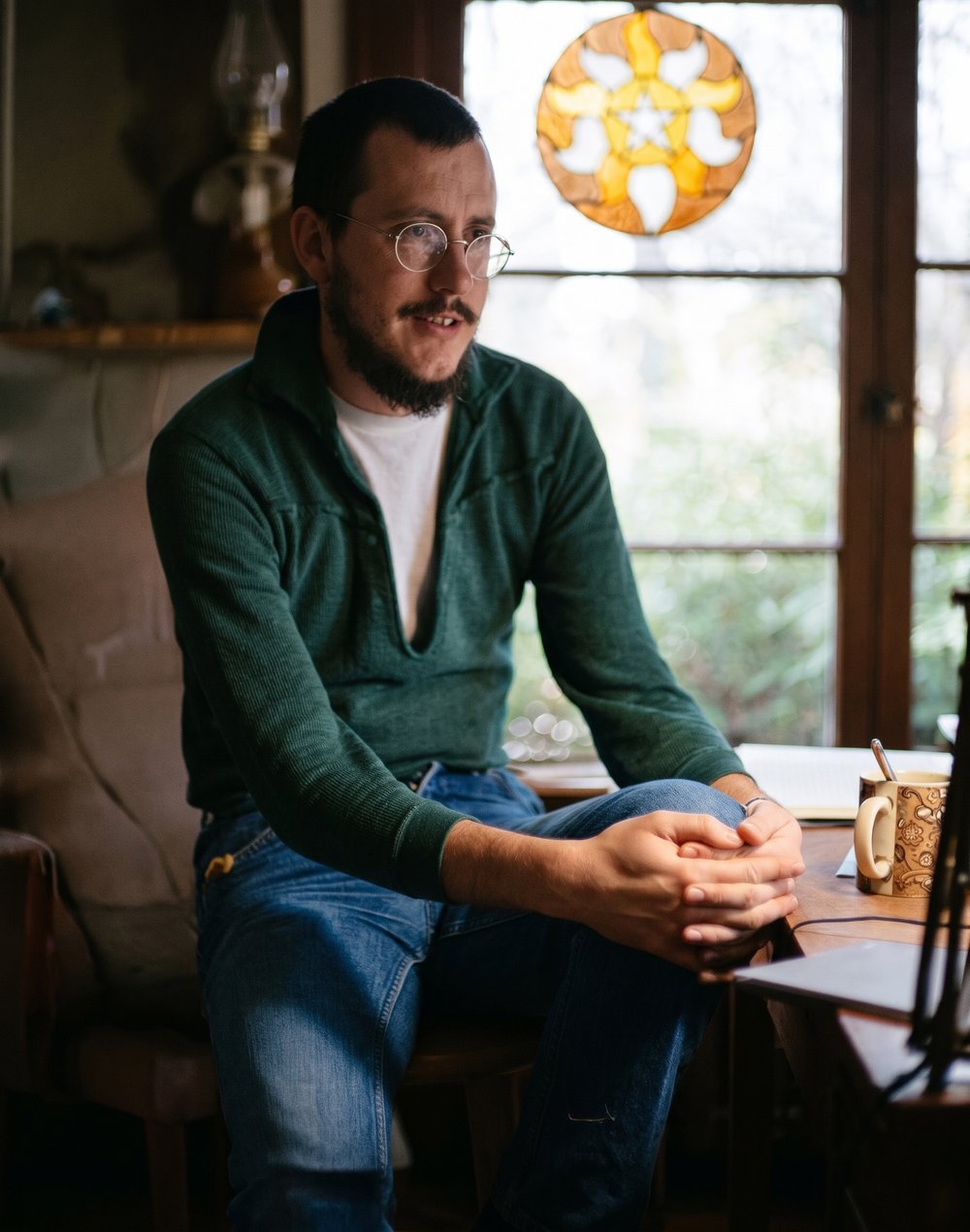
What Tim offers now isn't a sales pitch for LSD and it isn't an apology for his life. It's a warning about the very feeling that set him on his path, the certainty that you have found the answer. He has seen where that certainty leads when it hardens, all the way to people who believe the end justifies the means and blow themselves up for a good cause. His counsel is the counsel of a man who has been there:
Save the world, but stay humble. And be careful about getting intoxicated on that stuff. Maybe think globally and act locally is better. I don't know, but I'm not trying to tell people what to do. I'm just saying be cautious, think more than once.
He laughs at his younger self a little, with affection. "Part of it is, it's really easy when you're young, the whole idea of being sophomoric. I really got what that means, because I was doing it to the max." Getting older, he says, didn't make him know much more: "you just know what you don't know." And he has settled on the oldest rule in medicine as the place to start: "So first do no harm is a really good rule to start with."
He ends where a wise man ends, with a smaller and truer ambition than the one he started with:
Because I was pretty convinced I knew what it would take to save the world, and I'm more interested in trying to make my little corner of it better at the moment. I don't have quite as grandiose a notion of what's possible. We were trying to do something good, it may not have worked out, but we had good intentions.
His mother told him to imagine himself at the end of his life, looking back, and to ask whether he had made a positive contribution. Tim Scully has done that looking back more honestly, and more publicly, than almost anyone from that era. He had his lightning. He believed it could save the world. He found out it couldn't, and said so out loud. He paid for what he did, and has spent the rest of his life trying to leave his little corner better than he found it.
That's the man behind the Orange Sunshine.